
Dive Deep into Code with Our Engaging English Courses.

Learning to code can feel like unlocking a new language, one that opens doors to creative problem solving and exciting career paths. At Journalixup we have spent years refining our approach so that students not only grasp syntax but also communicate their ideas clearly in English while they build projects. Our courses are designed for people who want to improve both their technical abilities and their confidence in professional English settings.
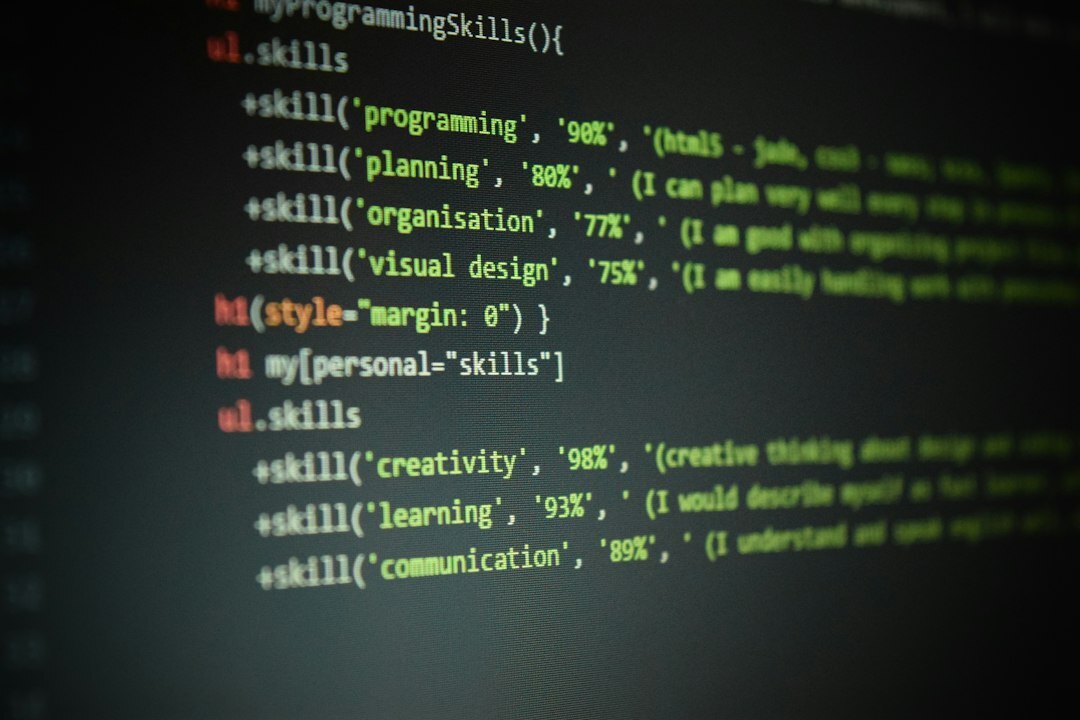
Why Combine Programming and English?
Many talented developers around the world face a barrier when documentation, team meetings, and job interviews happen in English. Our curriculum weaves language practice directly into every coding exercise. Instead of separate grammar drills, learners explain their solutions out loud, write commit messages in clear English, and review pull requests with peers from different countries. This natural integration keeps motivation high and produces results that show up quickly on resumes and in real interviews.
Practical Projects That Matter
Each module ends with a hands-on project that mimics tasks you would encounter at a tech company. Beginners might build a simple web app that tracks daily habits while practicing vocabulary around routines and goals. Intermediate students create a REST API for a fictional e-commerce store and then present their design choices in a short recorded demo. Advanced learners tackle machine learning models and write technical blog posts that could easily appear on a company engineering page.

Feedback comes from both instructors and fellow students, so everyone practices giving and receiving constructive comments in English. The result is a portfolio that demonstrates technical skill and the ability to work across language backgrounds.
How Our Live Sessions Work
Classes run in small groups twice a week. Instructors start with a short concept overview, then move straight into pair programming. During these sessions you will hear and use phrases like “let me refactor this loop” or “can we add a test for edge cases” until they feel natural. After class, recordings stay available so you can review tricky explanations at your own pace. Office hours are offered daily for quick questions about either code or wording.
One student told me that after six weeks she finally felt comfortable joining her company’s stand-up meetings without translating everything in her head first.
Flexible Paths for Different Goals
Not everyone wants the same outcome. Some learners aim for freelance work, others target positions at international startups, and a few simply want to contribute to open source. Our learning tracks let you choose emphasis areas such as frontend, backend, data analysis, or mobile development while still building strong English communication skills. Progress is tracked through weekly code reviews and short presentations rather than traditional exams.

By the end of a typical twelve-week track, students leave with three polished projects, a GitHub profile that tells a clear story, and the vocabulary to discuss their work confidently in any English-speaking environment.
Getting Started
If you have been putting off learning to code because the language felt like an extra hurdle, our courses remove that obstacle by treating English as part of the craft itself. Sign up for a short placement call where we match you with the right track and schedule. The first module is always free so you can experience the blend of code and conversation before committing further. Many graduates report landing interviews or freelance gigs within a month of finishing their track, proof that the combination really works.